
2015年6月·第2套英语四级写作(大作文) · 题目、范文与解析
本页是 2015年6月英语四级真题第2套 写作 的写作真题页(图表 / 漫画大作文)—— 与试卷排版同一卷面:完整写作要求(Directions,词数要求 120–180 词) 与真题配图(附中文图意) 连续排印 ,卷面下方直接给出参考范文(173 词)与整篇中译、逐段拆解,另附审题立意、谋篇句架与评分自检 。
写作题和范文
本页写作题面、参考范文与逐段解析由懒笔记基于2015年6月·第2套 英语四级写作原卷整理。与试卷排版同一卷面:完整写作要求(Directions,含主题、文体、词数与署名约束)、真题配图连续排印。写作是生产性任务、无 ABCD 标准答案——题面即整道题;卷面下方直接给出满足全部硬约束的参考范文、整篇中译与逐段拆解。
【参考范文 · 173 词】写作无唯一标准答案,以下为达标示范
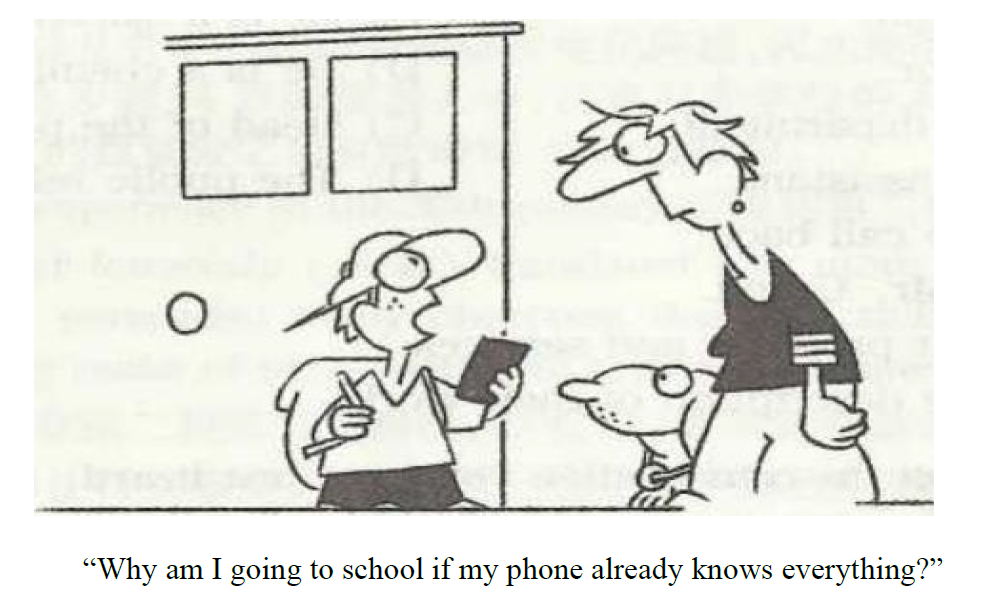
The black-and-white cartoon presents a thought-provoking scene. On the left, a boy in a cap stares at his smartphone and asks a tall, startled adult beside him, "Why am I going to school if my phone already knows everything?" The child clearly believes that a device holding all the answers has made classrooms unnecessary.
This innocent question reveals a common misunderstanding: the boy equates going to school with merely collecting facts. In his eyes, since a phone can instantly deliver any piece of information, education seems pointless. Yet he confuses "having access to knowledge" with "truly possessing it." A phone can store data, but it cannot teach a person how to reason, question, cooperate or judge right from wrong.
In fact, school shapes far more than our memory. It trains us to think independently, to communicate with others and to grow into responsible adults—abilities no search engine can hand out. Therefore, we should tell children like this boy that a smartphone is only a tool, while genuine learning still begins in the classroom.
【参考译文】
这幅黑白漫画呈现了一个发人深省的场景。画面左边,一个戴帽子的小男孩盯着自己的手机,问身旁一位瘦高、一脸惊讶的大人:“既然我的手机什么都知道,我为什么还要去上学?”这孩子显然认为,一部装着所有答案的设备已经让课堂变得多余了。
这个天真的问题暴露出一种常见的误解:男孩把上学等同于单纯地收集事实。在他看来,既然手机能瞬间给出任何一条信息,上学就显得毫无意义。然而他混淆了“能获取知识”与“真正掌握知识”。手机可以存储数据,却无法教一个人如何思考、提问、与人合作,或是明辨是非。
事实上,学校塑造的远不止我们的记忆。它训练我们独立思考、与他人沟通、成长为有担当的成年人——这些都是任何搜索引擎给不了的能力。因此,我们应当告诉像这个男孩一样的孩子:手机只是一件工具,而真正的学习依然始于课堂。
【第 1 段】三句白描落地。本段正是‘三句白描画面’的落地:总起句 The black-and-white cartoon presents a thought-provoking scene 点出画种与基调,主体句转述男孩的台词,末句 The child clearly believes… 点出言下之意,紧扣 start your essay with a brief description of the picture 而不拖沓。
【第 2 段】让步转折拆误区。本段用 In his eyes, since… 先让步承认手机能查信息,再用 Yet he confuses… 转折戳破‘能查到≠真学会’,最后 A phone can store data, but it cannot… 的对比落实评论,正对应 comment on the kid’s understanding of going to school 的核心任务。
【第 3 段】呼吁回扣画面。本段先用 school shapes far more than our memory 亮正面观点,再用 no search engine can hand out 强调不可替代,末句 Therefore, we should tell children like this boy… 回到画中孩子收束,避免了脱离画面空谈。
这道题到底要写什么、立意是什么
动笔前先钉死本题的核心写作任务与读者语域、读懂配图 ,再定中心立意与要展开的要点 —— 这些是本题特有的内容判断,不是通用套路。
先白描画面再评孩子
本题一句话钉死:先用几句话把漫画讲清楚,再针对孩子那句反问评论他对‘上学’的理解。评论才是得分重心,题目明确要求 comment on the kid’s understanding of going to school,描述只是引子。
写给阅卷人的正式议论文
题目只要求 write an essay,没有指定收信人或身份,所以不用写称呼、落款,按面向阅卷老师的正式书面议论文来写即可:不用缩略口语(don’t 写成 do not),不堆网络用语,观点表达清楚有条理。
手机全知所以不必上学
画面可写点:一幅黑白漫画,左边一个戴帽子的小男孩一边看着手机,向身旁的大人发问 Why am I going to school if my phone already knows everything?,而 旁边的成年人身材瘦高,表情惊讶。核心矛盾就藏在这句台词里:孩子把‘手机能查到一切信息’等同于‘自己已经掌握了一切’,于是觉得上学没必要——这正是要评论的‘理解’。
上学远不只是获取信息
本篇中心:孩子把上学误解成‘获取现成信息’,而手机能替代的恰恰只是信息本身;学校真正给的是思考、协作、判断这些手机给不了的能力。评论必须锚定 comment on the kid’s understanding of going to school 这个孩子的具体理解,而不是泛泛谈教育重要。
- 点明孩子的认知偏差 孩子把‘上学’窄化成‘获取信息’,又因为 Why am I going to school if my phone already knows everything? 而推出手机可以取代学校——这是评论要拆的第一层:他混淆了‘能查到知识’和‘真正拥有知识’。
- 指出手机替代不了的能力 手机能存储和检索信息,却不能教人如何思考、提问、与人合作、明辨是非。用这个对比戳破孩子的误解,说明信息可得≠学会。
- 给出上学的真正价值并收束 学校塑造的是独立思考、沟通表达、责任人格,这些搜索引擎交不出来。收尾回到孩子身上:手机只是工具,真正的学习仍从课堂开始。
怎么分段、每段写什么、能套哪些句架
按写作家族给出现成的段落框架(每段承担什么功能),并为每段配可直接套用的 功能句架(留出填本题内容的空位)。段序与上方参考范文一一对应。
- 第 1 段 白描漫画点出台词 用 2-3 句把画面讲清:黑白漫画里戴帽男孩看着手机发问、大人惊讶,引出他那句反问 Why am I going to school if my phone already knows everything?,为下文评论铺好靶子。
- 第 2 段 评论并拆穿误解 全文核心段:点明孩子把上学等同于查信息的理解,再用‘能查到≠真学会’‘手机存不了思考与判断’的对比把误区拆开,紧扣 comment on the kid’s understanding of going to school。
- 第 3 段 亮正确观点并收束 给出上学的真正价值——培养思考、沟通、责任等手机给不了的能力,并回到画面中的孩子发出呼吁,让全文有落点。
落到本题:黑白漫画中左边戴帽小男孩盯着手机,问身旁惊讶的大人 Why am I going to school if my phone already knows everything?,末句点出他觉得手机无所不知、上学多余。
- 开场点题句架 The black-and-white cartoon presents a thought-provoking scene: ___(一句话概括画面). 用一个有评价色彩的词(thought-provoking/striking)起笔,比 There is a picture 更有质感。
- 转述台词句架 A boy ___ asks a ___ adult beside him, "___(原句台词)" 把画面人物动作和直接引语串在一句里,恰当引用画面台词而不整段照抄。
- 小结定调句架 The child clearly believes that ___(他的言下之意). 用 clearly believes 把画面自然引向他的‘理解’,为下段评论搭桥。
本段落点:指出孩子把 comment on the kid’s understanding of going to school 里的‘上学’窄化为收集事实,误以为手机能查信息就可取代学校;再用对比拆穿——手机能存数据,却不能教人思考、提问、合作、明辨是非。
- 揭示寓意句架 This innocent question reveals a common misunderstanding: ___(孩子的错误认知). 用 reveals a misunderstanding 直接把画面拉进评论,锁定‘理解’这个核心任务。
- 让步转折句架 In his eyes, since ___, ___ seems ___. Yet he confuses ___ with ___. 先站在孩子角度让步,再用 Yet 转折点出他混淆了什么。
- 对比澄清句架 A phone can ___, but it cannot ___. 用 can…but cannot… 把‘工具能做的’和‘做不到的’摆在一起,对比越具体越有力。
本段落点:正面指出学校培养独立思考、沟通表达、责任人格等搜索引擎交不出的能力,最后回到画中孩子——手机只是工具,真正的学习仍从课堂开始。
- 重申价值句架 In fact, school shapes far more than ___. It trains us to ___, to ___ and to ___. 用 shapes far more than 抬升立意,再用排比列出几种能力。
- 因果收束句架 Therefore, we should tell ___ that ___, while ___. 用 Therefore 收束并回到画面中的对象,给出提醒式结论,让全文有落点。
本题在四个评分维度怎样算达标、容易在哪丢分
按阅卷四维(内容切题 / 结构连贯 / 语言准确 / 字数格式)给出本题达标要点,并把最容易踩的低分写法摆出来 + 给改法 —— 这是写作版的「狠拆诱人错项」。
- 内容切题 评论须锚定孩子的理解 本题达标关键是评论紧扣 comment on the kid’s understanding of going to school,即拆孩子‘手机全知所以不必上学’这个具体想法;最易失分是脱离画面空谈教育重要。
- 结构连贯 描述评论各自成段 本题按描述—评论—收束三段展开,靠 reveals a misunderstanding、In fact、Therefore 串起来;最忌通篇一段或描述和评论搅在一起。
- 语言准确 现在时加让步因果升档 本题描述用现在时,评论段用 since…/Yet…/can…but cannot… 等让步、因果、对比句式提升层次,但要保证这些结构本身写对,不能为凑句式而出语法错。
- 字数格式 卡死上下限区间 本题硬性要求 write at least 120 words but no more than 180 words,低于下限或超过上限都会失分,务必写完数一遍卡在区间内。
- 只描述不评论 反面示例:通篇在写‘漫画里有个男孩、戴着帽子、拿着手机、旁边有个大人、大人很惊讶、背景是黑白的……’却始终不评论孩子的理解。修正:描述压到 2-3 句,立刻转入‘This question reveals a common misunderstanding…’,把重心放到评论上。
- 空谈教育大道理 反面示例:‘Education is the foundation of a nation. Without education, society cannot develop…’——全程与画面无关。修正:改成‘The boy wrongly assumes that a phone which stores information can replace what school teaches him.’,把观点钉回孩子的具体理解。
- 大段照抄画面文字 反面示例:把台词抄一遍后又原样重复‘my phone already knows everything, so why go to school, because phone knows everything’来凑字。修正:引用一次原句后,用概括句推进,如‘In his eyes, a phone that answers every question makes classrooms pointless.’
- 同义重复注水 反面示例:‘School is important. School is very important. Going to school is really very important for us.’三句一个意思。修正:删掉重复,补一个具体能力‘School also teaches us to cooperate with classmates and to tell right from wrong.’来自然增加词数。
常见问题
围绕本题的写作题目与要求、作文类型、配图说明、立意要点、参考范文、谋篇分段与评分丢分,逐条给出可核对的答案。
- 2015年6月英语四级真题第2套 写作的写作题目是什么?要求写多少字?
- 2015年6月英语四级真题第2套 写作(Part I)的写作要求为:For this part, you are allowed 30 minutes to write an essay based on the picture below.You should start your essay with a brief description of the picture and then comment on the kid’s understanding of going to school. You should write at least 120 words but no more than 180 words. 本题要求120–180 词。
- 2015年6月英语四级真题第2套 写作属于哪种类型的作文、有什么格式要求?
- 2015年6月英语四级真题第2套 写作 是考研大作文(图表描述 / 漫画评论,先读图再评论)。写作要求120–180 词。题目配有一幅漫画,动笔前需先读懂漫画意再展开。
- 2015年6月英语四级真题第2套 写作的漫画画的是什么、说明了什么?
- 2015年6月英语四级真题第2套 写作的漫画内容为:一幅黑白漫画,左边一个戴帽子的小男孩一边看着手机,一边问旁边的成年人:“Why am I going to school if my phone already knows everything?” 旁边的成年人身材瘦高,表情惊讶。 就本题而言,画面可写点:一幅黑白漫画,左边一个戴帽子的小男孩一边看着手机,向身旁的大人发问 Why am I going to school if my phone already knows everything?,而 旁边的成年人身材瘦高,表情惊讶。核心矛盾就藏在这句台词里:孩子把‘手机能查到一切信息’等同于‘自己已经掌握了一切’,于是觉得上学没必要——这正是要评论的‘理解’。
- 2015年6月英语四级真题第2套 写作(先白描画面再评孩子)应该怎么立意、写哪几个要点?
- 2015年6月英语四级真题第2套 写作的中心立意是本篇中心:孩子把上学误解成‘获取现成信息’,而手机能替代的恰恰只是信息本身;学校真正给的是思考、协作、判断这些手机给不了的能力。评论必须锚定 comment on the kid’s understanding of going to school 这个孩子的具体理解,而不是泛泛谈教育重要。可展开的要点:孩子把‘上学’窄化成‘获取信息’,又因为 Why am I going to school if my phone already knows everything? 而推出手机可以取代学校——这是评论要拆的第一层:他混淆了‘能查到知识’和‘真正拥有知识’;手机能存储和检索信息,却不能教人如何思考、提问、与人合作、明辨是非。用这个对比戳破孩子的误解,说明信息可得≠学会;学校塑造的是独立思考、沟通表达、责任人格,这些搜索引擎交不出来。收尾回到孩子身上:手机只是工具,真正的学习仍从课堂开始。
- 2015年6月英语四级真题第2套 写作(先白描画面再评孩子)的参考范文是怎样的?多少词?
- 2015年6月英语四级真题第2套 写作的参考范文(173 词):The black-and-white cartoon presents a thought-provoking scene. On the left, a boy in a cap stares at his smartphone and asks a tall, startled adult beside him, "Why am I going to school if my phone already knows everything?" The child clearly believes that a device holding all the answers has made classrooms unnecessary. This innocent question reveals a common misunderstanding: the boy equates going to school with merely collecting facts. In his eyes, since a phone can instantly deliver any piece of information, education seems pointless. Yet he confuses "having access to knowledge" with "truly possessing it." A phone can store data, but it cannot teach a person how to reason, question, cooperate or judge right from wrong. In fact, school shapes far more than our memory. It trains us to think independently, to communicate with others and to grow into responsible adults—abilities no search engine can hand out. Therefore, we should tell children like this boy that a smartphone is only a tool, while genuine learning still begins in the classroom.
- 2015年6月英语四级真题第2套 写作(先白描画面再评孩子)这篇作文怎么分段、每段写什么?
- 2015年6月英语四级真题第2套 写作的参考范文共 3 段:第 1 段(白描漫画点出台词)用 2-3 句把画面讲清:黑白漫画里戴帽男孩看着手机发问、大人惊讶,引出他那句反问 Why am I going to school if my phone already knows everything?,为下文评论铺好靶子;第 2 段(评论并拆穿误解)全文核心段:点明孩子把上学等同于查信息的理解,再用‘能查到≠真学会’‘手机存不了思考与判断’的对比把误区拆开,紧扣 comment on the kid’s understanding of going to school;第 3 段(亮正确观点并收束)给出上学的真正价值——培养思考、沟通、责任等手机给不了的能力,并回到画面中的孩子发出呼吁,让全文有落点。
- 2015年6月英语四级真题第2套 写作(先白描画面再评孩子)作文容易在哪丢分?
- 按内容切题 / 结构连贯 / 语言准确 / 字数格式四维评分,本题达标要点:内容切题——本题达标关键是评论紧扣 comment on the kid’s understanding of going to school,即拆孩子‘手机全知所以不必上学’这个具体想法;最易失分是脱离画面空谈教育重要;结构连贯——本题按描述—评论—收束三段展开,靠 reveals a misunderstanding、In fact、Therefore 串起来;最忌通篇一段或描述和评论搅在一起;语言准确——本题描述用现在时,评论段用 since…/Yet…/can…but cannot… 等让步、因果、对比句式提升层次,但要保证这些结构本身写对,不能为凑句式而出语法错;字数格式——本题硬性要求 write at least 120 words but no more than 180 words,低于下限或超过上限都会失分,务必写完数一遍卡在区间内。 典型低分写法(须避免):反面示例:通篇在写‘漫画里有个男孩、戴着帽子、拿着手机、旁边有个大人、大人很惊讶、背景是黑白的……’却始终不评论孩子的理解。修正:描述压到 2-3 句,立刻转入‘This question reveals a common misunderstanding…’,把重心放到评论上;反面示例:‘Education is the foundation of a nation. Without education, society cannot develop…’——全程与画面无关。修正:改成‘The boy wrongly assumes that a phone which stores information can replace what school teaches him.’,把观点钉回孩子的具体理解;反面示例:把台词抄一遍后又原样重复‘my phone already knows everything, so why go to school, because phone knows everything’来凑字。修正:引用一次原句后,用概括句推进,如‘In his eyes, a phone that answers every question makes classrooms pointless.’;反面示例:‘School is important. School is very important. Going to school is really very important for us.’三句一个意思。修正:删掉重复,补一个具体能力‘School also teaches us to cooperate with classmates and to tell right from wrong.’来自然增加词数。