
2015年12月·第3套英语六级写作(大作文) · 题目、范文与解析
本页是 2015年12月英语六级真题第3套 写作 的写作真题页(图表 / 漫画大作文)—— 与试卷排版同一卷面:完整写作要求(Directions,词数要求 150–200 词) 与真题配图(附中文图意) 连续排印 ,卷面下方直接给出参考范文(170 词)与整篇中译、逐段拆解,另附审题立意、谋篇句架与评分自检 。
写作题和范文
本页写作题面、参考范文与逐段解析由懒笔记基于2015年12月·第3套 英语六级写作原卷整理。与试卷排版同一卷面:完整写作要求(Directions,含主题、文体、词数与署名约束)、真题配图连续排印。写作是生产性任务、无 ABCD 标准答案——题面即整道题;卷面下方直接给出满足全部硬约束的参考范文、整篇中译与逐段拆解。
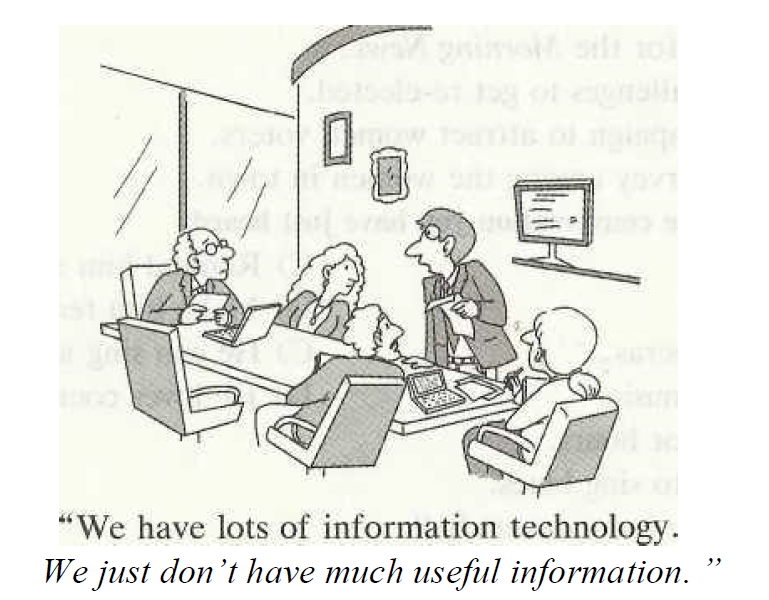
【参考范文 · 170 词】写作无唯一标准答案,以下为达标示范
The picture presents a thought-provoking scene: five people are gathered around a long table for a meeting, four of them staring at their computer screens, while a standing man remarks, "We have lots of information technology. We just don't have much useful information." Simple as it is, the drawing points to a striking paradox of our digital age.
What the cartoon truly reveals is that advanced technology does not automatically bring valuable knowledge. On the contrary, several factors make useful information hard to obtain. First, the sheer information overload buries genuine insights under mountains of trivial data. Second, true and false messages are so mixed together that few can discern which sources are authentic. Moreover, fragmented reading weakens our ability to sift through and process what really matters.
Therefore, we should not be dazzled by shiny gadgets alone. What truly counts is the capacity to filter, evaluate and apply information wisely. Only by cultivating critical thinking and selective attention can we turn an ocean of raw data into genuine understanding.
【参考译文】
这幅画呈现了一个发人深省的场景:五个人围坐在一张长桌旁开会,其中四人盯着电脑屏幕,而站着的一名男子说道:'我们拥有大量的信息技术,只是没有多少有用的信息。'画面虽简单,却道出了数字时代一个鲜明的悖论。
漫画真正揭示的是:先进的技术并不会自动带来有价值的知识。恰恰相反,有若干因素使有用信息难以获得。第一,铺天盖地的信息过载把真知灼见淹没在成堆的琐碎数据之下。第二,真假信息如此混杂,以致很少有人能辨别哪些来源是可信的。此外,碎片化的阅读削弱了我们筛选和深度处理真正重要内容的能力。
因此,我们不应只被炫目的电子设备迷惑。真正重要的是筛选、评估并明智运用信息的能力。唯有培养批判性思维与有选择的专注,我们才能把数据的海洋转化为真正的理解。
【第 1 段】落实描述段两句法。开头 The picture presents a thought-provoking scene 一句总起交代画面并嵌入男子原话,第二句 Simple as it is, the drawing points to a striking paradox 立即点出悖论,全段严格控制在两句,把篇幅留给后文分析,正是描述段方法的落地。
【第 2 段】主题句加 First/Second/Moreover 三分点。以 What the cartoon truly reveals is that 点破寓意,再用 First / Second / Moreover 领起信息过载、真假混杂、碎片化三条原因,层次清晰、逻辑外显,是全篇论证的主体。
【第 3 段】Therefore 表态加 Only 收束。Therefore 承接分析给出态度,提出 filter、evaluate、apply 的对策,末句 Only by cultivating critical thinking and selective attention can we turn an ocean of raw data into genuine understanding 升华收尾,把数据变成理解。
这道题到底要写什么、立意是什么
动笔前先钉死本题的核心写作任务与读者语域、读懂配图 ,再定中心立意与要展开的要点 —— 这些是本题特有的内容判断,不是通用套路。
评图揭示'技术发达却难获有用信息'的悖论
本题要求 write a short essay based on the picture below,并明确规定 You should focus on the difficulty in acquiring useful information in spite of advanced information technology。一句话钉死任务:不是泛泛谈科技进步,而是紧扣'信息技术越发达、真正有用的信息反而越难得到'这一反差来议论,画面只是引子。
面向阅卷人的正式书面议论文
本题是 a short essay,没有具体收信人,也不需要称呼与落款;把读者设为阅卷老师即可,用正式书面语,避免口语缩写和网络用语。谈普遍社会现象时用第一人称复数 we 比 I 更得体、更客观。
会议桌上人人盯屏却缺有用信息
画面里 五个人围坐在一张长桌旁开会,其中 4个人看着电脑屏幕,站着的男子却说 We have lots of information technology. We just don't have much useful information. 可写点就藏在这句话的转折里:技术设备一应俱全,真正有用的信息却匮乏——这正是要引申的悖论。
技术越发达,筛出有用信息反而越难
全篇中心论点:信息技术的进步并不等于有用信息的获得,恰恰相反,设备与数据越多,从中辨识、筛选出真正有价值信息的难度越大。这正呼应题目要求聚焦的 the difficulty in acquiring useful information in spite of advanced information technology。
- 描述画面并点出悖论现象 用一两句还原会议场景与那句 We just don't have much useful information 的抱怨,点明它揭示的普遍现象:身处信息技术高度发达的时代,人们却常感有用信息难寻。
- 分析有用信息难得的原因 从三方面析因:信息过载(information overload)埋没真知;真假信息混杂,难以辨别可信来源;碎片化阅读削弱了检索与深度处理的能力。这是全篇论证主体,要写足。
- 给出态度与筛选对策 升华表态:与其被海量数据和炫目设备迷惑,不如培养批判性思维与筛选能力,学会 filter、discern,把数据变成真正的理解。
怎么分段、每段写什么、能套哪些句架
按写作家族给出现成的段落框架(每段承担什么功能),并为每段配可直接套用的 功能句架(留出填本题内容的空位)。段序与上方参考范文一一对应。
- 第 1 段 描述画面+点出现象 简述会议场景与男子的话,由画面引出'技术发达却缺有用信息'这一现象,末句亮出全文悖论。
- 第 2 段 揭示寓意+分点析因 先一句点明画面寓意,再用 First / Second / Moreover 分点分析有用信息难得的原因,是全篇主体段。
- 第 3 段 升华表态+给出对策 由分析上升到态度,呼吁培养筛选辨别信息的能力,以'把数据变成理解'收尾。
写五人开会、多数盯屏,引出男子那句 We have lots of information technology. We just don't have much useful information.,随即点明:这幅画道出了信息时代一个耐人寻味的悖论——技术发达,有用信息却难得。
- 总起描述画面 The picture presents a thought-provoking scene: + 画面主体在做什么 + while + 关键人物说的话。
- 由画到题点现象 Simple as it is, the drawing points to a striking paradox of + 所揭示的现象/话题。
点明寓意:先进技术并不自动带来有价值的知识。再分析原因:信息过载(information overload)淹没真知;真假信息混杂,难以辨别可信(authentic)来源;碎片化阅读削弱了 sift through 与深度处理的能力。
- 点破寓意主题句 What the cartoon truly reveals is that + 画面背后的道理。
- 并列分点信号 First, … Second, … Moreover, … 各领起一条并列原因。
- 让步转折强调反差 … does not automatically bring …; on the contrary, + 相反的结果。
表态:不应被炫目设备和海量数据迷惑;对策:培养批判性思维与筛选(filter)、辨别(discern)能力;收尾:唯有如此才能把信息的海洋转化为真正的理解。
- 承接表态 Therefore, we should not be dazzled by + 表象, what truly counts is + 真正重要的东西。
- Only 强调收束 Only by + 具体做法 can we + 理想结果。
本题在四个评分维度怎样算达标、容易在哪丢分
按阅卷四维(内容切题 / 结构连贯 / 语言准确 / 字数格式)给出本题达标要点,并把最容易踩的低分写法摆出来 + 给改法 —— 这是写作版的「狠拆诱人错项」。
- 内容切题 必须扣住'有用信息难得'反差 本题要求 focus on the difficulty in acquiring useful information in spite of advanced information technology,若写成单纯歌颂科技便离题;范文全篇围绕'技术发达却难获有用信息'展开,切题稳。
- 结构连贯 三段比例合理且信号词到位 描述段压两句,主体段用 First / Second / Moreover 分点,结论段用 Therefore 承接;三段描述—分析—对策层层递进,比例不失衡。
- 语言准确 用同义词分散 information 备好 information overload / data / insights / filter / discern / sift through / authentic 一组词轮换,避免通篇 information 复现导致语言单调。
- 字数格式 落在规定区间且描述不超篇 题目限定 at least 150 words but no more than 200 words,是硬性上下限;估算时重点盯首段描述有没有过长,把富余篇幅留给分析与对策。
- 只罗列画面无引申 反面示例:'In the picture, five people are having a meeting. Four of them are looking at computers. One man is speaking.'——通篇只报画面、没有观点。改成在其后补一句寓意:'This scene reveals a paradox of our age: technology is everywhere, yet useful information is hard to find.'一描述一评论,议论才立得住。
- 写成科技进步颂歌 反面示例:'Information technology has greatly changed our life and made everything more convenient than ever before.'——完全丢了'有用信息难得'的反差。改成扣题:'Despite advanced technology, truly useful information has become harder, not easier, to obtain.'
- information 一词反复出现 反面示例:'We have much information, but useful information is little, and information is everywhere.'——一句挤三个 information,单调刺眼。改成:'We are flooded with data, yet genuine insights remain scarce amid the information overload.'
- 描述冗长挤占分析并超字数 反面示例:把首段写成'There are five people. The first person is sitting, the second is typing, the table is very long, the computers are on...'逐物罗列,既占篇幅又易破 200 上限。改成两句带过画面,把笔墨留给原因分析与对策。
常见问题
围绕本题的写作题目与要求、作文类型、配图说明、立意要点、参考范文、谋篇分段与评分丢分,逐条给出可核对的答案。
- 2015年12月英语六级真题第3套 写作的写作题目是什么?要求写多少字?
- 2015年12月英语六级真题第3套 写作(Part I)的写作要求为:For this part, you are allowed 30 minutes to write a short essay based on the picture below. You should focus on the difficulty in acquiring useful information in spite of advanced information technology. You are required to write at least 150 words but no more than 200 words. 本题要求150–200 词。
- 2015年12月英语六级真题第3套 写作属于哪种类型的作文、有什么格式要求?
- 2015年12月英语六级真题第3套 写作 是考研大作文(图表描述 / 漫画评论,先读图再评论)。写作要求150–200 词。题目配有一幅漫画,动笔前需先读懂漫画意再展开。
- 2015年12月英语六级真题第3套 写作的漫画画的是什么、说明了什么?
- 2015年12月英语六级真题第3套 写作的漫画内容为:图片中有五个人围坐在一张长桌旁开会,其中4个人看着电脑屏幕,另外1名男子站在桌子的旁边向大家说道:"We have lots of information technology. We just don't have much useful information." 就本题而言,画面里 五个人围坐在一张长桌旁开会,其中 4个人看着电脑屏幕,站着的男子却说 We have lots of information technology. We just don't have much useful information. 可写点就藏在这句话的转折里:技术设备一应俱全,真正有用的信息却匮乏——这正是要引申的悖论。
- 2015年12月英语六级真题第3套 写作(评图揭示'技术发达却难获有用信息'的悖论)应该怎么立意、写哪几个要点?
- 2015年12月英语六级真题第3套 写作的中心立意是全篇中心论点:信息技术的进步并不等于有用信息的获得,恰恰相反,设备与数据越多,从中辨识、筛选出真正有价值信息的难度越大。这正呼应题目要求聚焦的 the difficulty in acquiring useful information in spite of advanced information technology。可展开的要点:用一两句还原会议场景与那句 We just don't have much useful information 的抱怨,点明它揭示的普遍现象:身处信息技术高度发达的时代,人们却常感有用信息难寻;从三方面析因:信息过载(information overload)埋没真知;真假信息混杂,难以辨别可信来源;碎片化阅读削弱了检索与深度处理的能力。这是全篇论证主体,要写足;升华表态:与其被海量数据和炫目设备迷惑,不如培养批判性思维与筛选能力,学会 filter、discern,把数据变成真正的理解。
- 2015年12月英语六级真题第3套 写作(评图揭示'技术发达却难获有用信息'的悖论)的参考范文是怎样的?多少词?
- 2015年12月英语六级真题第3套 写作的参考范文(170 词):The picture presents a thought-provoking scene: five people are gathered around a long table for a meeting, four of them staring at their computer screens, while a standing man remarks, "We have lots of information technology. We just don't have much useful information." Simple as it is, the drawing points to a striking paradox of our digital age. What the cartoon truly reveals is that advanced technology does not automatically bring valuable knowledge. On the contrary, several factors make useful information hard to obtain. First, the sheer information overload buries genuine insights under mountains of trivial data. Second, true and false messages are so mixed together that few can discern which sources are authentic. Moreover, fragmented reading weakens our ability to sift through and process what really matters. Therefore, we should not be dazzled by shiny gadgets alone. What truly counts is the capacity to filter, evaluate and apply information wisely. Only by cultivating critical thinking and selective attention can we turn an ocean of raw data into genuine understanding.
- 2015年12月英语六级真题第3套 写作(评图揭示'技术发达却难获有用信息'的悖论)这篇作文怎么分段、每段写什么?
- 2015年12月英语六级真题第3套 写作的参考范文共 3 段:第 1 段(描述画面+点出现象)简述会议场景与男子的话,由画面引出'技术发达却缺有用信息'这一现象,末句亮出全文悖论;第 2 段(揭示寓意+分点析因)先一句点明画面寓意,再用 First / Second / Moreover 分点分析有用信息难得的原因,是全篇主体段;第 3 段(升华表态+给出对策)由分析上升到态度,呼吁培养筛选辨别信息的能力,以'把数据变成理解'收尾。
- 2015年12月英语六级真题第3套 写作(评图揭示'技术发达却难获有用信息'的悖论)作文容易在哪丢分?
- 按内容切题 / 结构连贯 / 语言准确 / 字数格式四维评分,本题达标要点:内容切题——本题要求 focus on the difficulty in acquiring useful information in spite of advanced information technology,若写成单纯歌颂科技便离题;范文全篇围绕'技术发达却难获有用信息'展开,切题稳;结构连贯——描述段压两句,主体段用 First / Second / Moreover 分点,结论段用 Therefore 承接;三段描述—分析—对策层层递进,比例不失衡;语言准确——备好 information overload / data / insights / filter / discern / sift through / authentic 一组词轮换,避免通篇 information 复现导致语言单调;字数格式——题目限定 at least 150 words but no more than 200 words,是硬性上下限;估算时重点盯首段描述有没有过长,把富余篇幅留给分析与对策。 典型低分写法(须避免):反面示例:'In the picture, five people are having a meeting. Four of them are looking at computers. One man is speaking.'——通篇只报画面、没有观点。改成在其后补一句寓意:'This scene reveals a paradox of our age: technology is everywhere, yet useful information is hard to find.'一描述一评论,议论才立得住;反面示例:'Information technology has greatly changed our life and made everything more convenient than ever before.'——完全丢了'有用信息难得'的反差。改成扣题:'Despite advanced technology, truly useful information has become harder, not easier, to obtain.';反面示例:'We have much information, but useful information is little, and information is everywhere.'——一句挤三个 information,单调刺眼。改成:'We are flooded with data, yet genuine insights remain scarce amid the information overload.';反面示例:把首段写成'There are five people. The first person is sitting, the second is typing, the table is very long, the computers are on...'逐物罗列,既占篇幅又易破 200 上限。改成两句带过画面,把笔墨留给原因分析与对策。