
考研英语二 2024年 · 真题整卷
按真题原卷顺序的全部题型,逐题型可进试卷排版、题目解析、原文精读;整卷可免费下载电子版(真题 PDF、解析版 PDF 与 Word)。
整卷试卷排版
考研英语二 · 英语二真题 · 2024年
考研英语二2024年真题
Directions:
Read the following text. Choose the best word(s) for each numbered blank and mark A, B, C or D on the ANSWER SHEET. (10 points)
Read the following text. Choose the best word(s) for each numbered blank and mark A, B, C or D on the ANSWER SHEET. (10 points)
Your social life is defined as "the activities you do with other people, for pleasure, when you are not working". It's important to have a social life, but what's right for one person won't be right for another. Some of us feel energised by spending lots of time with others, 1 some of us may feel drained, even if it's doing something we enjoy.
This is why finding a 2 in your social life is key. Spending too much time on your own, not 3 others, can make you feel lonely and 4 . Loneliness is known to impact on your mental health and 5 a low mood. Anyone can feel lonely at any time. This might be especially true if, 6 , you are working from home and you are 7 on the usual social conversations that happen in an office. Other life changes can 8 periods of loneliness too, such as retirement, changing jobs or becoming a parent.
It's important to recognise these feelings of loneliness. There are ways to 9 a social life, but it can feel overwhelming 10 . It's a great idea to start by thinking about hobbies you enjoy. You can then find groups and activities related to those where you will be able to meet 11 people. There are groups aimed at new parents, at those who want to 12 a new sport for the first time, or networking events for those in the same profession to meet up and 13 ideas.
On the other hand, it's 14 possible to have too much of a social life. If you feel like you're always doing something and there is never any 15 in your calendar for downtime, you could suffer social burnout or social 16 . We all have our own social limit and it's important to recognise when you're feeling like it's all too much. Low mood, low energy, irritability and trouble sleeping could all be 17 of poor social health. Make sure you 18 some time in your diary when you're 19 for socialising and use this time to relax, 20 and recover.
1.
[ A ]because
[ B ]unless
[ C ]whereas
[ D ]until
2.
[ A ]contrast
[ B ]balance
[ C ]link
[ D ]gap
3.
[ A ]seeing
[ B ]pleasing
[ C ]judging
[ D ]teaching
4.
[ A ]misguided
[ B ]surprised
[ C ]spoiled
[ D ]disconnected
5.
[ A ]contribute to
[ B ]rely on
[ C ]interfere with
[ D ]go against
6.
[ A ]in fact
[ B ]of course
[ C ]for example
[ D ]on average
7.
[ A ]cutting back
[ B ]missing out
[ C ]breaking in
[ D ]looking down
8.
[ A ]shorten
[ B ]trigger
[ C ]follow
[ D ]interrupt
9.
[ A ]assess
[ B ]interpret
[ C ]provide
[ D ]regain
10.
[ A ]at first
[ B ]in turn
[ C ]on time
[ D ]by chance
11.
[ A ]far-sighted
[ B ]strong-willed
[ C ]kind-hearted
[ D ]like-minded
12.
[ A ]try
[ B ]promote
[ C ]watch
[ D ]describe
13.
[ A ]test
[ B ]share
[ C ]accept
[ D ]revise
14.
[ A ]already
[ B ]thus
[ C ]also
[ D ]only
15.
[ A ]list
[ B ]order
[ C ]space
[ D ]boundary
16.
[ A ]fatigue
[ B ]criticism
[ C ]injustice
[ D ]dilemma
17.
[ A ]sources
[ B ]standards
[ C ]signs
[ D ]scores
18.
[ A ]take over
[ B ]wipe off
[ C ]add up
[ D ]mark out
19.
[ A ]ungrateful
[ B ]unavailable
[ C ]responsible
[ D ]regretful
20.
[ A ]react
[ B ]repeat
[ C ]return
[ D ]rest
考研英语二2024年真题
Directions:
Read the following four texts. Answer the questions after each text by choosing A, B, C or D. Mark your answers on the ANSWER SHEET. (40 points)
Read the following four texts. Answer the questions after each text by choosing A, B, C or D. Mark your answers on the ANSWER SHEET. (40 points)
Text 1
In her new book Cogs and Monsters: What Economics Is, and What It Should Be, Diane Coyle, an economist at Cambridge University, argues that the digital economy requires new ways of thinking about progress. "Whatever we mean by the economy growing, by things getting better, the gains will have to be more evenly shared than in the recent past," she writes. "An economy of tech millionaires or billionaires and gig workers, with middle-income jobs undercut by automation, will not be politically sustainable."
Improving living standards and increasing prosperity for more people will require greater use of digital technologies to boost productivity in various sectors, including health care and construction, says Coyle. But people can't be expected to embrace the changes if they're not seeing the benefits—if they're just seeing good jobs being destroyed.
In a recent interview, Coyle said she fears that tech's inequality problem could be a roadblock to deploying AI. "We're talking about disruption," she says. "These are transformative technologies that change the ways we spend our time every day, that change business models that succeed." To make such "tremendous changes," she adds, you need social buy-in.
Instead, says Coyle, resentment is simmering among many as the benefits are perceived to go to elites in a handful of prosperous cities.
According to the Brookings Institution, a short list of eight American cities that included San Francisco, San Jose, Boston, and Seattle had roughly 38% of all tech jobs by 2019. New AI technologies are particularly concentrated: Brookings's Mark Muro and Sifan Liu estimate that just 15 cities account for two-thirds of the AI assets and capabilities in the United States.
The dominance of a few cities in the invention and commercialization of AI means that geographical disparities in wealth will continue to soar. Not only will this foster political and social unrest, but it could, as Coyle suggests, hold back the sorts of AI technologies needed for regional economies to grow.
Part of the solution could lie in somehow loosening the stranglehold that Big Tech has on defining the AI agenda. That will likely take increased federal funding for research independent of the tech giants.
A more immediate response is to broaden our digital imaginations to conceive of AI technologies that don't simply replace jobs but expand opportunities in the sectors that different parts of the country care most about, like health care, education, and manufacturing.
21.
Coyle argues in her new book that economic growth should_______.
[ A ]give rise to innovations
[ B ]diversify career choices
[ C ]benefit people equally
[ D ]be promoted forcefully
22.
According to Paragraph 2, digital technologies should be used to_______.
[ A ]bring about instant prosperity
[ B ]reduce people's workload
[ C ]raise overall work efficiency
[ D ]enhance cross-sector cooperation
23.
What does Coyle fear about transformative technologies?
[ A ]They may affect work-life balance.
[ B ]They may be impractical to deploy.
[ C ]They may incur huge expenditure.
[ D ]They may be unwelcome to the public.
24.
Several American cities are mentioned to show______.
[ A ]the uneven distribution of AI technologies in the US
[ B ]the disappointing prospect of tech jobs in the US
[ C ]the fast progress of US regional economies
[ D ]the increasing significance of US AI assets
25.
With regard to Coyle's concern, the author suggests______.
[ A ]raising funds to start new AI projects
[ B ]encouraging collaboration in AI research
[ C ]guarding against the side effects of AI
[ D ]redefining the role of AI technologies
Text 2
The UK is facing a future construction crisis because of a failure to plant trees to produce wood, Confor has warned. The forestry and wood trade body has called for urgent action to reduce the country's reliance on timber imports and provide a stable supply of wood for future generations. Currently only 20 percent of the UK's wood requirement is home-grown while it remains the second-largest net importer of timber in the world.
Coming at a time of fresh incentives from the UK government for landowners to grow more trees, the trade body says these don't go far enough and fail to promote the benefits of planting them to boost timber supplies. "Not only are we facing a carbon crisis now, but we will also be facing a future construction crisis because of a failure to plant trees to produce wood," said Stuart Goodall, chief executive of Confor. "For decades we have not taken responsibility for investing in our domestic wood supply, leaving us exposed to fluctuating prices and fighting for future supplies of wood as global demand rises and our own supplies fall."
The UK has ideal conditions for growing wood to build low-carbon homes and is a global leader in certifying that its forests are sustainably managed, Confor says. While around three quarters of Scottish homes are built from Scottish timber, the use of home-grown wood in England is only around 25 percent. The causes of the UK's current position are complex and range from outdated perceptions of productive forestry to the decimation of trees by grey squirrels. It also encompasses significant hesitation on behalf of farmers and other landowners to invest in longer-term planting projects.
While productive tree planting can deliver real financial benefits to rural economies and contribute to the UK's net-zero strategy, the focus of government support continues to be on food production and the rewilding and planting of native woodland solely for biodiversity. Goodall added: "While food production and biodiversity health are clearly of critical importance, we need our land to also provide secure supplies of wood for construction, manufacturing and contribute to net zero."
"While the UK government has stated its ambition for more tree planting, there has been little action on the ground. Confor is now calling for much greater impetus behind those aspirations to ensure we have enough wood to meet increasing demand."
26.
It can be learned from Paragraph 1 that the UK needs to______.
[ A ]increase its domestic wood supply
[ B ]reduce its demand for timber
[ C ]lower its wood production costs
[ D ]lift its control on timber imports
27.
According to Confor, the UK government's fresh incentives______.
[ A ]can hardly address a construction crisis
[ B ]are believed to come at a wrong time
[ C ]seem to be misleading for landowners
[ D ]will be too costly to put into practice
28.
The UK's exposure to fluctuating wood prices is a result of______.
[ A ]the government's inaction on timber imports
[ B ]inadequate investment in growing wood
[ C ]the competition among timber traders at home
[ D ]wood producers' motive to maximise profits
29.
Which of the following causes the shortage of wood supply in the UK?
[ A ]Excessive timber consumption in construction.
[ B ]Unfavourable conditions for growing wood.
[ C ]Outdated technologies of the wood industry.
[ D ]Farmers' unwillingness to plant trees.
30.
What does Goodall think the UK government should do?
[ A ]Subsidise the building of low-carbon homes.
[ B ]Pay greater attention to boosting rural economies.
[ C ]Provide more support for productive tree planting.
[ D ]Give priority to pursuing its net-zero strategy.
Text 3
One of the biggest challenges in keeping unsafe aging drivers off the road is convincing them that it's time to turn over the keys. "It's a complete life-changer" when someone stops—or is forced to stop—driving, said former risk manager Anne M. Menke.
"The American Medical Association advises physicians that 'in situations where clear evidence of substantial driving impairment implies a strong threat to patient and public safety, and where the physician's advice to discontinue driving privileges is ignored, it is desirable and ethical to notify the Department of Motor Vehicles,'" Menke wrote. "Some states require physicians to report, others allow but do not mandate reports, while a few consider a report a breach of confidentiality. There could be liability and penalties if a physician does not act in accordance with state laws on reporting and confidentiality," she counseled.
Part of the problem in keeping older drivers safe is that the difficulties are addressed piecemeal by different professions with different focuses, including gerontologists, highway administration officials, automotive engineers and others, said gerontologist Elizabeth Dugan. "There's not a National Institute of Older Driver Studies," she said. "We need better evidence on what makes drivers unsafe" and what can help, said Dugan.
One thing that does seem to work is requiring drivers to report in person for license renewal. Mandatory in-person renewal was associated with a 31 percent reduction in fatal crashes involving drivers 85 or older, according to one study. Passing vision tests also produced a similar decline in fatal crashes for those drivers, although there appeared to be no benefit from combining the two.
Many older drivers don't see eye doctors or can't afford to. Primary care providers have their hands full and may not be able to follow through with patients who have trouble driving because they can't turn their heads or remember where they are going—or have gotten shorter and haven't changed their seat settings sufficiently to reach car pedals easily.
As long as there are other cars on the roads, self-driving cars won't solve the problems of crashes, said Dugan. Avoiding dangers posed by all those human drivers would require too many algorithms, she said. But we need to do more to improve safety, said Dugan. "If we're going to have 100-year lives, we need cars that a 90-year-old can drive comfortably."
31.
According to Paragraph l, keeping unsafe aging drivers off the road______.
[ A ]is a new safety measure
[ B ]has become a disputed issue
[ C ]can be a tough task to complete
[ D ]will be beneficial to their health
32.
The American Medical Association's advice______.
[ A ]has won support from drivers
[ B ]is generally considered unrealistic
[ C ]is widely dismissed as unnecessary
[ D ]has met with different responses
33.
According to Dugan, efforts to keep older drivers safe______.
[ A ]have brought about big changes
[ B ]need to be well coordinated
[ C ]have gained public recognition
[ D ]call for relevant legal support
34.
Some older drivers have trouble driving because they tend to______.
[ A ]stick with bad driving habits
[ B ]have a weakened memory
[ C ]suffer from chronic pains
[ D ]neglect car maintenance
35.
Dugan thinks that the solution to the problems of crashes may lie in______.
[ A ]upgrading self-driving vehicles
[ B ]developing senior-friendly cars
[ C ]renovating transport facilities
[ D ]adjusting the age limit for drivers
Text 4
If you look at the apps on your phone, chances are you have at least one related to your health—and probably several. Whether it is a mental health app, a fitness tracker, a connected health device or something else, many of us are taking advantage of this technology to keep better track of our health in some shape or form. Recent research from the Organization for the Review of Care and Health Applications found that 350,000 health apps were available on the market, 90,000 of which launched in 2020 alone.
While these apps have a great deal to offer, it is not always clear how the personal information we input is collected, safeguarded and shared online. Existing health privacy law, such as the Health Insurance Portability and Accountability Act, is primarily focused on the way hospitals, doctors' offices, clinics and insurance companies store health records online. The health information these apps and health data tracking wearables are collecting typically does not receive the same legal protections.
Without additional protections in place, companies may share (and potentially monetize) personal health information in a way consumers may not have authorized or anticipated. In 2021, Flo Health faced a Federal Trade Commission (FTC) investigation. The FTC alleged in a complaint that "despite express privacy claims, the company took control of users' sensitive fertility data and shared it with third parties." Flo Health and the FTC settled the matter with a Consent Order requiring the company to get app users' express affirmative consent before sharing their health information as well as to instruct the third parties to delete the data they had obtained.
Section 5 of the FTC Act empowers the FTC to initiate enforcement action against unfair or deceptive acts, meaning the FTC can only act after the fact if a company's privacy practices are misleading or cause unjustified consumer harm. While the FTC is doing what it can to ensure apps are keeping their promises to consumers around the handling of their sensitive health information, the rate at which these health apps are hitting the market demonstrates just how immense of a challenge this is.
As to the prospects for federal legislation, commentators suggest that comprehensive federal privacy legislation seems unlikely in the short term. States have begun implementing their own solutions to shore up protections for consumer-generated health data. California has been at the forefront of state privacy efforts with the California Consumer Privacy Act of 2018. Virginia, Colorado and Utah have also recently passed state consumer data privacy legislation.
36.
The research findings are cited in Paragraph 1 to show______.
[ A ]the prevalence of health apps
[ B ]the public concern over health
[ C ]the popularity of smartphones
[ D ]the advancement of technology
37.
What does the author imply about existing health privacy law?
[ A ]Its coverage needs to be extended.
[ B ]Its enforcement needs strengthening.
[ C ]It has discouraged medical misconduct.
[ D ]It has disappointed insurance companies.
38.
Before sharing its users' health information, Flo Health is required to______.
[ A ]seek the approval of the FTC
[ B ]find qualified third parties
[ C ]remove irrelevant personal data
[ D ]obtain their explicit permission
39.
What challenge is the FTC currently faced with?
[ A ]The complexity of health information.
[ B ]The rapid increase in new health apps.
[ C ]The subtle deceptiveness of health apps.
[ D ]The difficulty in assessing consumer harm.
40.
It can be learned from the last paragraph that health data protection______.
[ A ]has been embraced by health app developers
[ B ]has been a focus of federal policy-making
[ C ]has encountered opposition in California
[ D ]has gained legislative support in some states
Directions:
Read the following text and match each of the numbered items in the left column to its corresponding information in the right column. There are two extra choices in the right column. Mark your answers on the ANSWER SHEET. (10 points)
Read the following text and match each of the numbered items in the left column to its corresponding information in the right column. There are two extra choices in the right column. Mark your answers on the ANSWER SHEET. (10 points)
High school students eager to stand out in the college application process often participate in a litany of extracurricular activities hoping to bolster their chances of admission to a selective undergraduate institution.
However, college admissions experts say that the quality of a college hopeful's extracurricular activities matters more than the number of activities he or she participates in.
Sue Rexford, the director of college guidance at the Charles E. Smith Jewish Day School, says it is not necessary for a student filling out the Common Application to list 10 activities in the application.
"No college will expect that a student has a huge laundry list of extracurriculars that they have been passionately involved in each for an extended period of time," Rexford wrote in an email.
Experts say it is tougher to distinguish oneself in a school-affiliated extracurricular activity that is common among high school students than it is to stand out while doing an uncommon activity.
"The competition to stand out and make an impact is going to be much stiffer, and so if they're going to do a popular activity, I'd say, be the best at it," says Sara Harberson, a college admissions consultant.
High school students who have an impressive personal project they are working on independently often impress colleges, experts say.
"For example, a student with an interest in entrepreneurship could demonstrate skill and potential by starting a profitable small business," Olivia Valdes, the founder of Zen Admissions consulting firm, wrote in an email.
Joseph Adegboyega-Edun, a Maryland high school guidance counselor, says unconventional extracurricular activities can help students impress college admissions offices, assuming they demonstrated serious commitment. "Again, since one of the big questions high school seniors must consider is 'What makes you unique?,' having an uncommon extracurricular activity vs. a conventional one is an advantage," he wrote in an email.
Experts say demonstrating talent in at least one extracurricular activity can help in the college admissions process, especially at top-tier undergraduate institutions.
"Distinguishing yourself in one focused type of extracurricular activity can be a positive in the admissions process, especially for highly selective institutions, where having top grades and test scores is not enough," Katie Kelley, admissions counselor at IvyWise admissions consultancy, wrote in an email. "Students need to have that quality or hook that will appeal to admissions officers and allow them to visualize how the student might come and enrich their campus community."
Extracurricular activities related to the college major declared on a college application are beneficial, experts suggest. "If you already know your major, having an extracurricular that fits into that major can be a big plus," says Mayghin Levine, the manager of educational opportunities with The Cabbage Patch Settlement House, a Louisville, Kentucky, nonprofit community center.
High school students who have had a strong positive influence on their community through an extracurricular activity may impress a college and win a scholarship, says Erica Gwyn, a former math and science magnet program assistant at a public high school who is now executive director of the Kaleidoscope Careers Academy in Atlanta, a nonprofit organization.
[ A ] Students who stand out in a specific extracurricular activity will be favored by top-tier institutions. | |
41. Sue Rexford | [ B ] Students whose extracurricular activity has benefited their community are likely to win a scholarship. |
42. Sara Harberson | [ C ] Undertaking too many extracurricular activities will hardly be seen as a plus by colleges. |
43. Katie Kelley | [ D ] A student who exhibits abilities in doing business can impress colleges. |
44. Mayghin Levine | [ E ] High school students participating in a popular activity should excel in it. |
45. Erica Gwyn | [ F ] Engaging in uncommon activities can demonstrate students' determination and dedication. |
[ G ] It is advisable for students to choose an extracurricular activity that is related to their future study at college. |
考研英语二2024年真题
46.
Directions:
Translate the following text into Chinese. Write your translation on the ANSWER SHEET. (15 points)
Translate the following text into Chinese. Write your translation on the ANSWER SHEET. (15 points)
With the smell of coffee and fresh bread floating in the air, stalls bursting with colourful vegetables and tempting cheeses, and the buzz of friendly chats, farmers' markets are a feast for the senses. They also provide an opportunity to talk to the people responsible for growing or raising your food, support your local economy and pick up fresh seasonal produce—all at the same time.
Farmers' markets are usually weekly or monthly events, most often with outdoor stalls, which allow farmers or producers to sell their food directly to customers. The size or regularity of markets can vary from season to season, depending on the area's agricultural calendar, and you're likely to find different produce on sale at different times of the year. By cutting out the middlemen, the farmers secure more profit for their produce. Shoppers also benefit from seeing exactly where—and to whom—their money is going.
考研英语二2024年真题
47.
Directions:
Suppose you and Jack are going to do a survey on the protection of old houses in an ancient town. Write him an email to
1) put forward your plan, and
2) ask for his opinion.
Write your answer in about 100 words on the ANSWER SHEET.Do not use your own name in your email; Use “Li Ming” instead. (10 points)
Suppose you and Jack are going to do a survey on the protection of old houses in an ancient town. Write him an email to
1) put forward your plan, and
2) ask for his opinion.
Write your answer in about 100 words on the ANSWER SHEET.Do not use your own name in your email; Use “Li Ming” instead. (10 points)
48.
Directions:
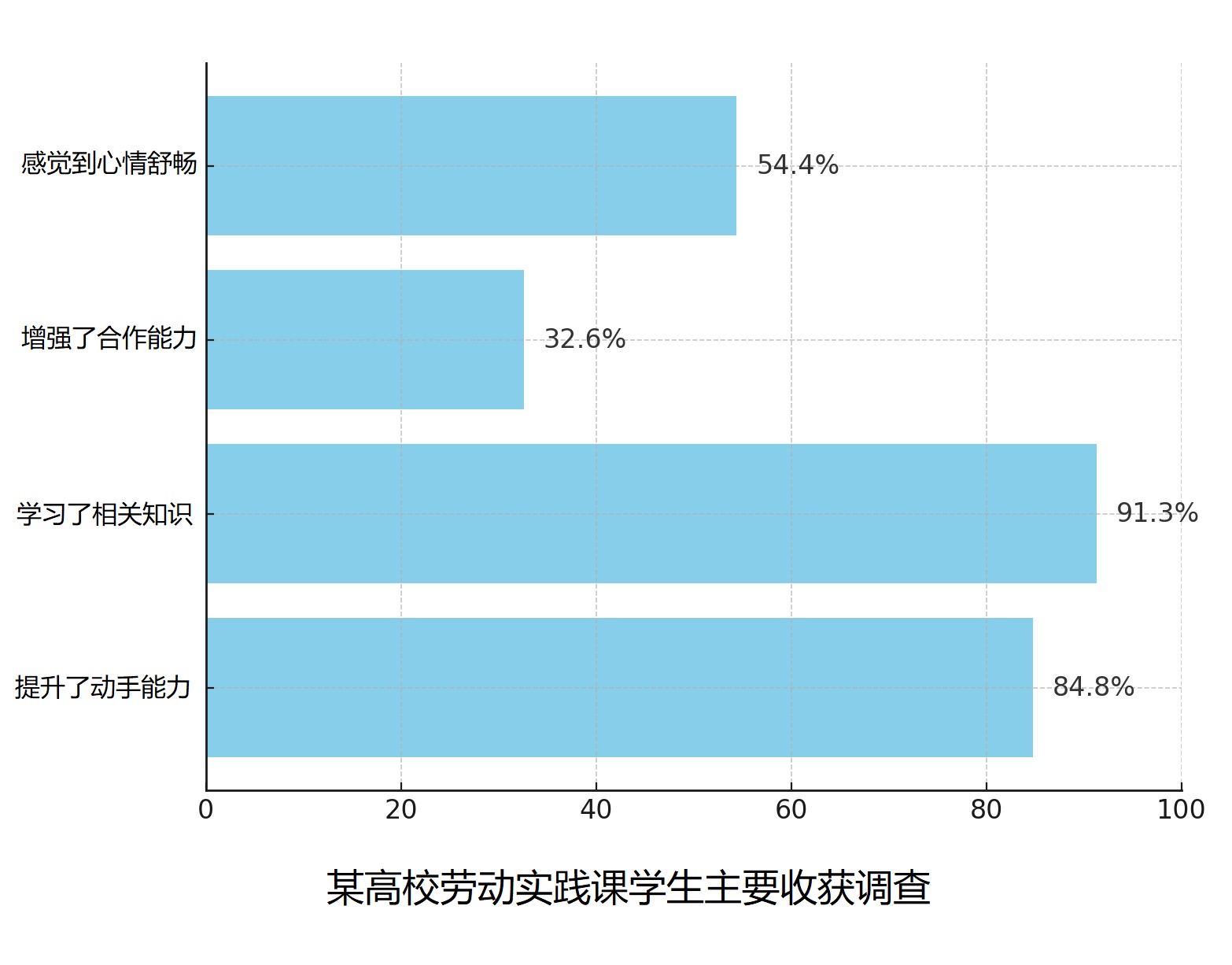
Write an essay based on the chart below, In your essay, you should
1) describe and interpret the chart, and
2) give your comments.
Write your answer in about 150 words on the ANSWER SHEET. (15 points)
Write an essay based on the chart below, In your essay, you should
1) describe and interpret the chart, and
2) give your comments.
Write your answer in about 150 words on the ANSWER SHEET. (15 points)
全卷客观题答案速查
考研英语二2024年真题全卷客观题参考答案速查如下表,按卷面顺序逐题型列出;写作、翻译等主观题无标准答案,参考范文与逐题解析见对应题型解析页。
| 题型(卷面位置) | 参考答案 |
|---|---|
| 完形填空(四选一) Section I (1–20 题) | 1 C whereas · 2 B balance · 3 A seeing · 4 D disconnected · 5 A contribute to · 6 C for example · 7 B missing out · 8 B trigger · 9 D regain · 10 A at first · 11 D like-minded · 12 A try · 13 B share · 14 C also · 15 C space · 16 A fatigue · 17 C signs · 18 D mark out · 19 B unavailable · 20 D rest (逐题解析见 完形填空(四选一)解析页 ) |
| 阅读理解(四选一) Section II Part A (1) (21–25 题) | 21 C · 22 C · 23 D · 24 A · 25 D (逐题解析见 阅读理解(四选一)解析页 ) |
| 阅读理解(四选一) Section II Part A (2) (26–30 题) | 26 A · 27 A · 28 B · 29 D · 30 C (逐题解析见 阅读理解(四选一)解析页 ) |
| 阅读理解(四选一) Section II Part A (3) (31–35 题) | 31 C · 32 D · 33 B · 34 B · 35 B (逐题解析见 阅读理解(四选一)解析页 ) |
| 阅读理解(四选一) Section II Part A (4) (36–40 题) | 36 A · 37 A · 38 D · 39 B · 40 D (逐题解析见 阅读理解(四选一)解析页 ) |
| 多项对应(信息匹配) Section II Part B (41–45 题) | 41 C · 42 E · 43 A · 44 G · 45 B (逐题解析见 多项对应(信息匹配)解析页 ) |
| 英译汉(段落翻译) Section III | 主观题 · 参考范文与逐题解析见 英译汉(段落翻译)解析页 |
| 写作 Section IV Part A | 主观题 · 参考范文与逐题解析见 写作解析页 |
| 写作 Section IV Part B | 主观题 · 参考范文与逐题解析见 写作解析页 |
全卷构成
- Section I 完形填空(四选一)
- Section II Part A (1) 阅读理解(四选一)
- Section II Part A (2) 阅读理解(四选一)
- Section II Part A (3) 阅读理解(四选一)
- Section II Part A (4) 阅读理解(四选一)
- Section II Part B 多项对应(信息匹配)
- Section III 英译汉(段落翻译)
- Section IV Part A 写作
- Section IV Part B 写作
关于考研英语二 2024年 真题(整卷)的常见问题
- 2024年考研英语二真题由哪些题型构成、各考几道题?
- 2024年考研英语二全卷共五个部分、45道编号题:完形填空(Section I)20道、仔细阅读(Section II Part A)4篇共20道(第21–40题)、多项对应新题型(Section II Part B)5道、英译汉翻译(Section III)1段、写作(Section IV)小作文与大作文各1篇。完形10分、阅读40分、新题型10分、翻译15分、写作合计25分。
- 2024年考研英语二的阅读篇章难度(CEFR)分布如何?
- 2024年考研英语二参与命题的5篇阅读语料中,4篇属CEFR B2、1篇属C1。其中难度最高的C1篇章是Section II Text 3(老年人何时该停止开车,选自《华盛顿邮报》),其余完形填空篇章与Text 1、Text 2、Text 4均为B2,整体处于中高级英语水平。
- 2024年考研英语二的阅读与完形语料总词量是多少?
- 2024年考研英语二的5篇核心语料合计约1945词。逐篇看:完形填空篇章约352词,Text 1(AI不平等)约398词,Text 2(英国木材危机)约392词,Text 3(老年驾驶)约384词,Text 4(健康App隐私)约419词。考研英语二不含听力,因此没有听力原文。
- 2024年考研英语二完形填空有哪些高频词、围绕什么词汇场?
- 2024年考研英语二完形填空(Section I)共20空,全文围绕“社交生活”这一词汇场展开:social出现10次为最高频,feel 7次、life与time各6次、your 6次、loneliness/lonely 多次出现,配合balance、burnout、socialise、disconnected等词。备考者抓住social health(社交健康)这一主题即可顺读全文逻辑。
- 2024年考研英语二多项对应(新题型)考几道、用什么文章?
- 2024年考研英语二新题型为Section II Part B多项对应,共5道、10分。题目给出7个选项(A–G,含2个多余干扰项),要求把Sue Rexford、Sara Harberson、Katie Kelley、Mayghin Levine、Erica Gwyn五位招生专家与其对应观点配对,文章主题是高中生课外活动(extracurricular activities)如何影响美国大学申请。
- 2024年考研英语二翻译考的是什么主题?
- 2024年考研英语二翻译(Section III,英译汉,15分)考的是“农贸市场(farmers' markets)”。原文两段约150词,描写农贸市场咖啡与新鲜面包香气、五颜六色的蔬菜和奶酪摊位,讲它让顾客直接与种植者交流、支持本地经济、买到新鲜时令农产品,并通过省去中间商让农户获得更多利润、让消费者清楚知道钱花在何处。
- 2024年考研英语二阅读Text 1讲了什么内容?
- 2024年考研英语二阅读Text 1(第21–25题)讲数字技术尤其是AI正在加剧贫富差距。剑桥经济学家Diane Coyle在新书《Cogs and Monsters》中提出,数字经济需要新的进步观,经济增长的收益应被更均匀地分享;她担忧科技带来的不平等会成为AI推广的“路障”,并援引布鲁金斯学会数据指出仅15座城市就占据美国三分之二的AI资产。文章选自《麻省理工科技评论》。
- 2024年考研英语二阅读Text 2和Text 4分别讲什么?
- 2024年考研英语二阅读Text 2讲英国木材与建筑业危机:林业组织Confor警告英国因未种植足够用材林而面临“建筑业危机”,目前仅20%木材需求自产、却是全球第二大木材净进口国,呼吁政府加大对生产性林木种植的扶持。Text 4讲健康类App的数据隐私:现行HIPAA等隐私法管不到健康App,2021年Flo Health因擅自共享用户生育数据被美国联邦贸易委员会(FTC)调查并和解,文末指出综合性联邦隐私立法短期内难产、加州等各州正自行立法。
- 2024年考研英语二阅读Text 3讲的是什么?
- 2024年考研英语二阅读Text 3(第31–35题)讲老年人何时应停止开车的安全难题,选自《华盛顿邮报》、是全卷难度最高的C1篇章。文章指出说服高龄司机交出车钥匙是巨大挑战,美国医学会建议医生在特定情形下可上报车管所;研究显示强制本人到场换证使85岁以上司机的致命车祸下降约31%;老年医学专家Dugan认为根本出路在于开发适合老年人驾驶的汽车,而非依赖自动驾驶。
- 2024年考研英语二完形填空写的是什么话题?
- 2024年考研英语二完形填空(Section I)写的是如何平衡社交生活,选自Mood Journal《情绪杂志》文章Balance Your Social Life。全文先指出社交因人而异、关键在于找到平衡;再分析“社交太少”会带来孤独与情绪低落及其应对办法;最后指出“社交过度”会导致社交倦怠(social burnout),低落、易怒、失眠都是社交健康不佳的信号。
- 2024年考研英语二的大作文和小作文题目分别是什么?
- 2024年考研英语二小作文(Section IV Part A,10分)要求以“李明(Li Ming)”身份给Jack写一封约100词的邮件,就一起调查“某古镇老房子保护”提出你的计划并征求他的意见。大作文(Part B,15分)是图表作文,要求根据所给图表描述并解读数据、给出评论,约150词。两篇均不得使用考生本人姓名。
- 2024年考研英语二多项对应新题型的核心观点有哪些?
- 2024年考研英语二多项对应新题型围绕“高中生课外活动与大学申请”给出五位专家观点:招生看重课外活动的质量而非数量;在小众活动中更易脱颖而出,做大众活动则要做到最好;独立完成的个人项目(如创业开一家盈利小生意)能打动招生官;至少在一项活动中展现才能、尤其要与申报专业相关;通过课外活动对社区产生积极影响者甚至可能赢得奖学金。
- 2024年考研英语二整体难度怎么样、哪部分最难?
- 2024年考研英语二整体难度与近年持平,语料以CEFR B2为主、仅Text 3(老年驾驶,《华盛顿邮报》)达C1,是阅读中最绕的一篇。完形“社交平衡”话题熟悉、逻辑顺;翻译“农贸市场”用词具体、句式不复杂,属易得分段落;新题型“课外活动与大学申请”干扰项设计是失分点。难度感受因人而异,建议结合自身正确率而非单一“好难/好简单”的网络评价判断。
- 2024年考研英语二的参考答案和翻译参考译文在哪里看?
- 需要说明的是,考研英语官方不公布标准答案,网传答案与“农贸市场”翻译参考译文均为新东方、希赛、启航等机构的参考版本,措辞各有差异、仅供对照。2024年考研英语二全卷为完形20题、阅读20题、多项对应5题加翻译与两篇作文,客观题以官方答题卡为准。你可以在懒笔记整卷页查看试卷排版、逐题题干与原文精读,结合机构译文自行核对译法。
- 2024年考研英语二有听力吗、和英语一相比考什么?
- 2024年考研英语二不考听力,全卷只有完形填空、仔细阅读(4篇)、多项对应新题型、英译汉翻译和两篇写作五部分。与英语一相比,英语二翻译是一整段约150词的英译汉(本年为农贸市场)而非英语一的长难句下划线翻译,新题型本年采用多项对应配对,阅读语料偏应用与社会民生话题,整体词汇与句法难度略低于英语一。