
2009年考研英语(2010 前)写作(大作文) · 题目、范文与解析
本页是 2009年考研英语(2010 前)真题 写作 的写作真题页(图表 / 漫画大作文)—— 与试卷排版同一卷面:完整写作要求(Directions) 与真题配图(附中文图意) 连续排印 ,卷面下方直接给出参考范文(186 词)与整篇中译、逐段拆解,另附审题立意、谋篇句架与评分自检 。
写作题和范文
本页写作题面、参考范文与逐段解析由懒笔记基于2009年 考研英语(2010 前)写作原卷整理。与试卷排版同一卷面:完整写作要求(Directions,含主题、文体、词数与署名约束)、真题配图连续排印。写作是生产性任务、无 ABCD 标准答案——题面即整道题;卷面下方直接给出满足全部硬约束的参考范文、整篇中译与逐段拆解。
Write an essay of 160-200 words based on the following drawing. In your essay, you should
1)describe the drawing briefly,
2)explain its intended meaning, and then
3)give your comments.
You should write neatly on ANSWER SHEET 2. (20 points)
【参考范文 · 186 词】写作无唯一标准答案,以下为达标示范
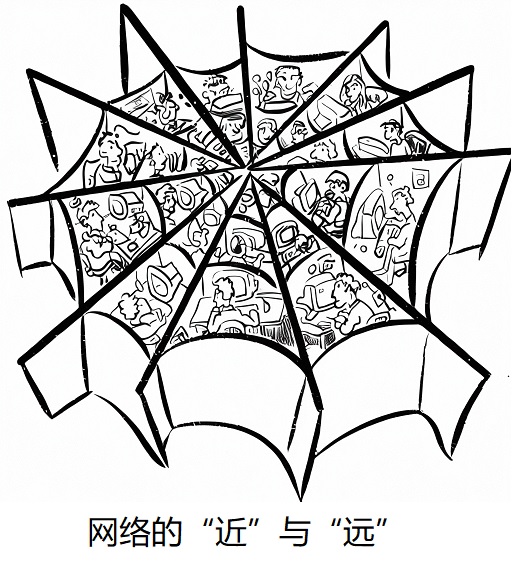
As is vividly depicted in the cartoon, a huge web-like space is divided into countless grids. In each grid sits a cubicle, and inside every cubicle a person is bending over a computer, absorbed in work. Above the picture is a thought-provoking title: 'The Nearness and Distance of the Internet.'
Simple as the drawing is, it conveys a profound meaning about our digital age. The spider web symbolizes the Internet, which brings distant people close: with a single click we chat with friends thousands of miles away. Yet the isolated grids reveal the other side — while getting 'near' to the far, we are drifting 'far' from those physically around us, trapped in our own screens and indifferent to real neighbours.
In my view, such a phenomenon deserves our alertness. The Internet is merely a tool; whether it shortens or widens distances depends on how we use it. For instance, a family sharing one dinner table yet each staring at a phone gains nothing but coldness. Therefore, we should embrace online convenience while cherishing face-to-face communication, so that technology truly serves human bonds rather than replacing them.
【参考译文】
正如漫画生动描绘的那样,一个巨大的蛛网状空间被分割成无数网格。每个网格里都坐着一个格子间,而每个格子间里,都有一个人俯身在电脑前,忙碌不停。画面上方是一个发人深省的标题:“网络的‘近’与‘远’”。
漫画虽简单,却传达出关于数字时代的深刻寓意。蛛网象征着互联网,它把相隔遥远的人拉近:轻点一下鼠标,我们就能和千里之外的朋友聊天。然而,一个个孤立的格子却揭示了另一面——在与远方变“近”的同时,我们正与近旁的人渐行渐“远”,困在各自的屏幕里,对身边真实的邻里漠然置之。
在我看来,这种现象值得我们警惕。互联网不过是一件工具;它究竟是缩短还是拉大距离,取决于我们如何使用。比如,一家人围坐同一张餐桌,却各自盯着手机,收获的只有冷漠。因此,我们应当在享受网络便利的同时珍惜面对面的交流,让科技真正服务于人与人的情感联结,而非取而代之。
【第 1 段】描述段落实先描述后点题。本段用『先客观描述再点标题』的走法:开头 As is vividly depicted in the cartoon 一句总起,随后按『空间—格子—人在做什么』层层白描,末句用 a thought-provoking title 把标题引出、埋下钩子,完成 describe the drawing briefly 且不越界抒情。
【第 2 段】寓意段落实细节映射。本段用『细节映射社会』:Simple as the drawing is 一句过渡到寓意,再用 The spider web symbolizes... 把蛛网映射为互联网的连接,用 Yet... reveals the other side 的转折托出格子间的疏离,紧扣标题一近一远,达成 explain its intended meaning。
【第 3 段】评论段落实观点加例证。本段用『观点加例证收束』:In my view 亮出工具论态度,For instance 一家人同桌各看手机的例子佐证,Therefore 收束给出建议,有判断有例子,兑现 give your comments 而非复述寓意。
这道题到底要写什么、立意是什么
动笔前先钉死本题的核心写作任务与读者语域、读懂配图 ,再定中心立意与要展开的要点 —— 这些是本题特有的内容判断,不是通用套路。
描述—释义—评论三件事
本题明确要求三步走:先 describe the drawing briefly(简要描述画面),再 explain its intended meaning(解释画面寓意),最后 give your comments(给出你的评论)。三个动词就是三段的骨架,缺一段即残,顺序也不能颠倒——先描述后升华。
面向阅卷人正式书面语
本题是 based on the following drawing 的议论型图画作文,没有具体收信人,读者就是阅卷老师。因此用正式书面语即可:不缩写(用 do not 而非省略式亦可,但保持一致)、不口语化、不加称呼与署名,靠内容和逻辑得分。
蛛网格子间+近远标题
画面是 像蜘蛛网的大空间里有很多网格,每个网格里都是一个格子间,且 格子间里的人都坐在电脑前忙碌着。最关键的钥匙是标题 网络的‘近’与‘远’:蛛网象征互联网让远方的人变近,而一个个封闭格子又暗示人与身边人变远——这一近一远的对比就是可写的核心。
网络拉近远方却疏远身边
顺着标题 网络的‘近’与‘远’ 的对比反推:本篇中心是——互联网像蛛网一样连接了天涯,却让人困在各自的格子里、疏远了近旁的真实交往;网络是工具,是拉近还是推远取决于人怎么用。
- 描述画面反常 客观呈现 每个网格里都是一个格子间、人人 格子间里的人都坐在电脑前忙碌着 的封闭画面,为下文对比蓄势。
- 点破近与远寓意 把蛛网映射为互联网的连接(近),把封闭格子映射为人与身边人的疏离(远),扣住 explain its intended meaning 揭示对比寓意。
- 工具论加对策评论 评论层给出个人立场:网络本身中性,关键在使用方式;举一个身边例子佐证,再落到珍惜面对面交流的建议,完成 give your comments。
怎么分段、每段写什么、能套哪些句架
按写作家族给出现成的段落框架(每段承担什么功能),并为每段配可直接套用的 功能句架(留出填本题内容的空位)。段序与上方参考范文一一对应。
- 第 1 段 描述段 客观描述蛛网状格子间与人人对着电脑的画面,并点出标题,为寓意做铺垫,对应 describe the drawing briefly。
- 第 2 段 寓意段 把画面细节映射到社会,点破网络『近』与『远』的对比寓意,对应 explain its intended meaning。
- 第 3 段 评论段 亮明个人态度、用例子支撑并给出建议收束全文,对应 give your comments。
落点:呈现 像蜘蛛网的大空间里有很多网格 的大空间、每个网格里都是一个格子间、人 格子间里的人都坐在电脑前忙碌着,末句点出标题的近与远之意。
- 描述引入句架 As is vividly depicted in the cartoon, ___(用一句总起把画面主体引出来)。
- 细节白描句架 In each ___ sits ___, and ___ is/are ___(按空间层次逐层描述人物动作)。
- 点标题句架 Above the picture is a thought-provoking title: '___'(把标题引出并埋下下文的钩子)。
落点:蛛网象征互联网让远方的人变近;而 每个网格里都是一个格子间 的封闭又揭示人与身边人变远,扣紧标题 网络的‘近’与‘远’ 的一近一远。
- 由画转意过渡句架 Simple as the drawing is, it conveys a profound meaning that ___(一句话从描述过渡到寓意)。
- 象征映射句架 The ___ symbolizes ___, which reveals ___(把画面元素映射成社会现象)。
- 对比揭示句架 Yet ___ reveals the other side — while ___, we are ___(用转折托出对立的另一面)。
落点:提出网络是中性工具、拉近还是推远取决于人怎么用;举一家人同桌吃饭却各看手机的例子佐证;结尾建议在享受网络便利的同时珍惜面对面交流。
- 亮观点句架 In my view, such a phenomenon deserves our ___(一句话表明态度)。
- 举例佐证句架 For instance, ___ gains nothing but ___(用一个具体例子支撑观点)。
- 建议收束句架 Therefore, we should ___, so that ___(给出建议并回扣中心收尾)。
本题在四个评分维度怎样算达标、容易在哪丢分
按阅卷四维(内容切题 / 结构连贯 / 语言准确 / 字数格式)给出本题达标要点,并把最容易踩的低分写法摆出来 + 给改法 —— 这是写作版的「狠拆诱人错项」。
- 内容切题 三动词全覆盖且不脱节 本题须同时兑现 describe the drawing briefly、explain its intended meaning、give your comments 三步;最易失分处是寓意与画面脱节或强行拔高,务必让『近/远』的解读从格子间与蛛网细节自然长出来。
- 结构连贯 三段各司其职过渡清晰 本题范文三段分别承担描述、寓意、评论,段首均有过渡信号;自查时确认没有把描述和寓意混在一段、也没有评论段回头复述画面。
- 语言准确 现在时描述+点题动词 本题描述画面统一用一般现在时(is divided, sits, is bending);点寓意善用 symbolizes / reveals 等动词,比反复用 means 更精准,也更贴合图画评论的表达。
- 字数格式 三段均衡落在词数区间 本题要求 160-200 words,自查时确认三段篇幅均衡、描述段没有膨胀成长故事把总量顶超;作文无需称呼与署名,只需清晰分三段。
- 只夸画面不引申 反面示例:The cartoon is very interesting and the painter is skillful. I like the Internet very much.(只停在画面和个人喜好,没揭寓意)。改法:把封闭格子映射到现实——The isolated cubicles reveal how the Internet quietly distances us from the people around us.
- 逐字直译致语法崩 反面示例:The internet let people near also let people far, this is not good for we.(let 误用、逗号连缀、we 该用 us)。改法:The Internet brings distant people closer while pushing nearby people apart, which is worrying.
- 万能开头不扣图 反面示例:With the development of society, the Internet is more and more important in our life.(与本图近/远寓意无关的万能句)。改法:换成扣图的判断——As the cartoon warns, the Internet narrows online distance yet widens offline distance.
- 描述膨胀挤占后文 反面示例:用一百多词细数每个格子间的桌椅、电脑型号、人物表情,最后寓意只剩一句、评论没了。改法:描述只保留蛛网、格子、对着电脑忙碌三点,将重心移到近/远寓意与个人评论上。
常见问题
围绕本题的写作题目与要求、作文类型、配图说明、立意要点、参考范文、谋篇分段与评分丢分,逐条给出可核对的答案。
- 2009年考研英语(2010 前)真题 写作的写作题目是什么?要求写多少字?
- 2009年考研英语(2010 前)真题 写作(Section III Part B)的写作要求为:Write an essay of 160-200 words based on the following drawing. In your essay, you should 1)describe the drawing briefly, 2)explain its intended meaning, and then 3)give your comments. You should write neatly on ANSWER SHEET 2. (20 points)
- 2009年考研英语(2010 前)真题 写作属于哪种类型的作文、有什么格式要求?
- 2009年考研英语(2010 前)真题 写作 是考研大作文(图表描述 / 漫画评论,先读图再评论)。题目配有一幅漫画,动笔前需先读懂漫画意再展开。
- 2009年考研英语(2010 前)真题 写作的漫画画的是什么、说明了什么?
- 2009年考研英语(2010 前)真题 写作的漫画内容为:这是一幅黑白漫画,标题是“网络的‘近’与‘远’”。画面主体是一个像蜘蛛网的大空间里有很多网格,每个网格里都是一个格子间,格子间里的人都坐在电脑前忙碌着。 就本题而言,画面是 像蜘蛛网的大空间里有很多网格,每个网格里都是一个格子间,且 格子间里的人都坐在电脑前忙碌着。最关键的钥匙是标题 网络的‘近’与‘远’:蛛网象征互联网让远方的人变近,而一个个封闭格子又暗示人与身边人变远——这一近一远的对比就是可写的核心。
- 2009年考研英语(2010 前)真题 写作(描述—释义—评论三件事)应该怎么立意、写哪几个要点?
- 2009年考研英语(2010 前)真题 写作的中心立意是顺着标题 网络的‘近’与‘远’ 的对比反推:本篇中心是——互联网像蛛网一样连接了天涯,却让人困在各自的格子里、疏远了近旁的真实交往;网络是工具,是拉近还是推远取决于人怎么用。可展开的要点:客观呈现 每个网格里都是一个格子间、人人 格子间里的人都坐在电脑前忙碌着 的封闭画面,为下文对比蓄势;把蛛网映射为互联网的连接(近),把封闭格子映射为人与身边人的疏离(远),扣住 explain its intended meaning 揭示对比寓意;评论层给出个人立场:网络本身中性,关键在使用方式;举一个身边例子佐证,再落到珍惜面对面交流的建议,完成 give your comments。
- 2009年考研英语(2010 前)真题 写作(描述—释义—评论三件事)的参考范文是怎样的?多少词?
- 2009年考研英语(2010 前)真题 写作的参考范文(186 词):As is vividly depicted in the cartoon, a huge web-like space is divided into countless grids. In each grid sits a cubicle, and inside every cubicle a person is bending over a computer, absorbed in work. Above the picture is a thought-provoking title: 'The Nearness and Distance of the Internet.' Simple as the drawing is, it conveys a profound meaning about our digital age. The spider web symbolizes the Internet, which brings distant people close: with a single click we chat with friends thousands of miles away. Yet the isolated grids reveal the other side — while getting 'near' to the far, we are drifting 'far' from those physically around us, trapped in our own screens and indifferent to real neighbours. In my view, such a phenomenon deserves our alertness. The Internet is merely a tool; whether it shortens or widens distances depends on how we use it. For instance, a family sharing one dinner table yet each staring at a phone gains nothing but coldness. Therefore, we should embrace online convenience while cherishing face-to-face communication, so that technology truly serves human bonds rather than replacing them.
- 2009年考研英语(2010 前)真题 写作(描述—释义—评论三件事)这篇作文怎么分段、每段写什么?
- 2009年考研英语(2010 前)真题 写作的参考范文共 3 段:第 1 段(描述段)客观描述蛛网状格子间与人人对着电脑的画面,并点出标题,为寓意做铺垫,对应 describe the drawing briefly;第 2 段(寓意段)把画面细节映射到社会,点破网络『近』与『远』的对比寓意,对应 explain its intended meaning;第 3 段(评论段)亮明个人态度、用例子支撑并给出建议收束全文,对应 give your comments。
- 2009年考研英语(2010 前)真题 写作(描述—释义—评论三件事)作文容易在哪丢分?
- 按内容切题 / 结构连贯 / 语言准确 / 字数格式四维评分,本题达标要点:内容切题——本题须同时兑现 describe the drawing briefly、explain its intended meaning、give your comments 三步;最易失分处是寓意与画面脱节或强行拔高,务必让『近/远』的解读从格子间与蛛网细节自然长出来;结构连贯——本题范文三段分别承担描述、寓意、评论,段首均有过渡信号;自查时确认没有把描述和寓意混在一段、也没有评论段回头复述画面;语言准确——本题描述画面统一用一般现在时(is divided, sits, is bending);点寓意善用 symbolizes / reveals 等动词,比反复用 means 更精准,也更贴合图画评论的表达;字数格式——本题要求 160-200 words,自查时确认三段篇幅均衡、描述段没有膨胀成长故事把总量顶超;作文无需称呼与署名,只需清晰分三段。 典型低分写法(须避免):反面示例:The cartoon is very interesting and the painter is skillful. I like the Internet very much.(只停在画面和个人喜好,没揭寓意)。改法:把封闭格子映射到现实——The isolated cubicles reveal how the Internet quietly distances us from the people around us;反面示例:The internet let people near also let people far, this is not good for we.(let 误用、逗号连缀、we 该用 us)。改法:The Internet brings distant people closer while pushing nearby people apart, which is worrying;反面示例:With the development of society, the Internet is more and more important in our life.(与本图近/远寓意无关的万能句)。改法:换成扣图的判断——As the cartoon warns, the Internet narrows online distance yet widens offline distance;反面示例:用一百多词细数每个格子间的桌椅、电脑型号、人物表情,最后寓意只剩一句、评论没了。改法:描述只保留蛛网、格子、对着电脑忙碌三点,将重心移到近/远寓意与个人评论上。